Why Planters Matter in Hospitality Design
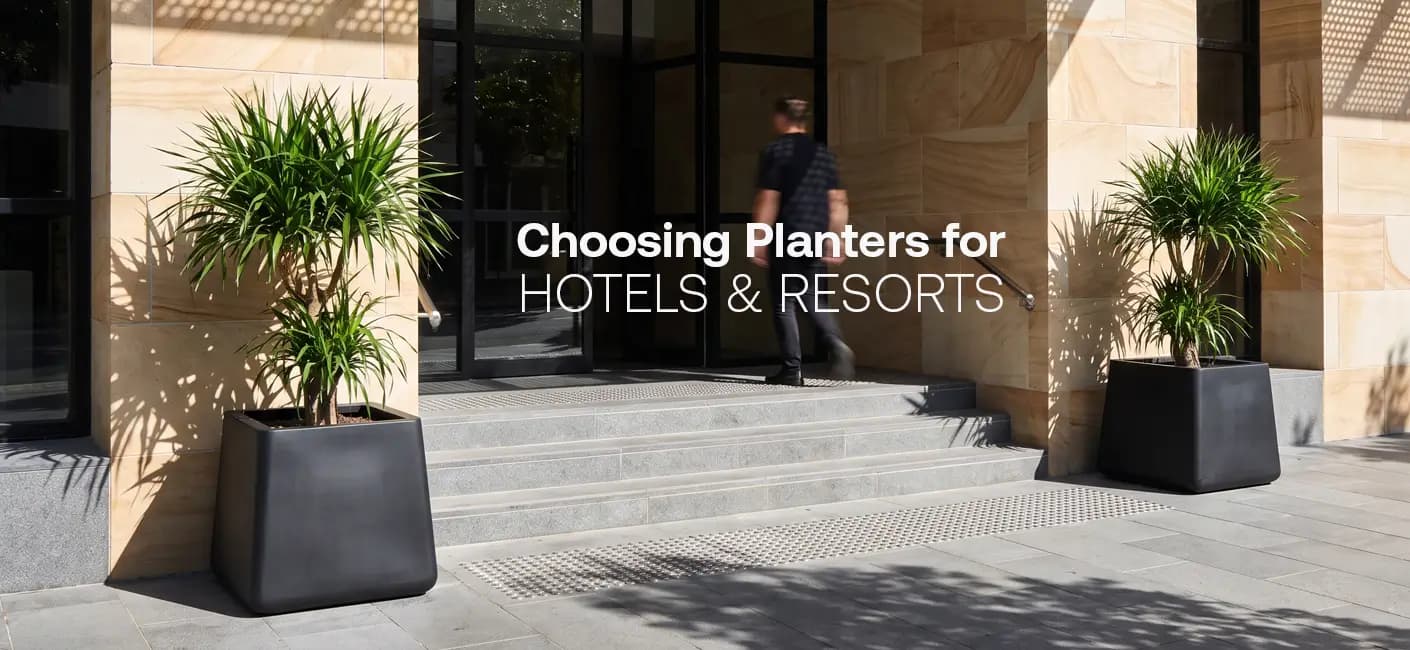
The entrance sets the tone for a guest’s experience. Tall planters can frame the arrival area, while carefully placed greenery can make a lobby feel warmer and more welcoming. In restaurants, terraces, and poolside areas, planters help soften hard surfaces and bring a natural element into the design.
They can also define seating areas, create subtle boundaries, and guide movement without making a space feel enclosed. When chosen thoughtfully, planters bring consistency to the property while allowing each area to serve its own purpose.
Choosing the Right Material for Hotel and Resort Planters
Different materials offer different advantages. The right choice depends on where the planter will be placed, the look you want to achieve and the practical demands of the space.
- FRP Planters
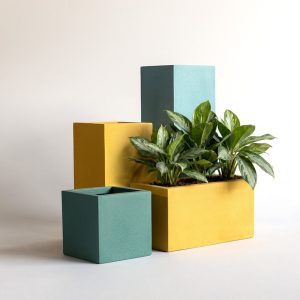
FRP, or fibre-reinforced plastic, offers flexibility in design, size and finish. Its relatively low weight makes it suitable for spaces such as terraces, rooftops and balconies, where planter weight needs careful consideration. It can also be used across indoor and outdoor areas, helping maintain a consistent design language throughout a property. FRP planters are available in a wide range of shapes, colours and textures, making it easier to find designs that complement contemporary architecture, resort landscapes and hospitality interiors.
- Glazed Ceramic
Glazed ceramic planters bring a refined finish to indoor spaces. Their smooth surfaces, available in glossy and matte options, work well in reception areas, lounges and restaurants. However, ceramic can be heavier and more fragile than FRP. It is best suited to locations where the planters will not need frequent repositioning or face demanding outdoor conditions.
- Terracotta
Terracotta has a warm, earthy appearance that complements natural materials, heritage properties and rustic resort settings. Its porous structure also allows moisture to evaporate through the material.
However, terracotta can be vulnerable to cracking under certain weather conditions and may require more care outdoors. Sheltered courtyards and covered areas can be suitable locations, depending on the climate and planter quality.
- Concrete and Stone
Concrete and stone planters bring a strong architectural presence to entrances, courtyards, and large outdoor landscapes. Their weight can offer stability in exposed areas, provided the installation and supporting surface are suitable.
Their main consideration is weight. Moving them can be difficult, and elevated installations require a structural load assessment before placement.
Choosing Planters for Different Hotel Zones
Each area of a hotel or resort has different requirements. A planter that works well in a lobby may not be the right choice for a rooftop or poolside setting.
- Entrances and Drop-Off Areas: The entrance is an opportunity to establish the property’s visual identity. Large planters with sculptural forms can frame doorways, complement the architecture, and give the arrival area a sense of scale. For a cohesive look, consider using matching planters on either side of an entrance or repeating a design along the drop-off zone. The size and placement should leave enough room for guests, luggage, and vehicles to move comfortably.
- Lobbies and Corridors: Indoor planters can make large lobbies feel more inviting and bring visual interest to transitional spaces. Taller designs work well in open areas, while slim or rectangular planters can introduce greenery along wider corridors. Repeating the same design at considered intervals creates a sense of rhythm, particularly in long hallways. Keep pathways clear and choose finishes that complement the flooring, furniture, and overall interior palette.
- Poolside and Outdoor Dining Areas: Poolside areas and outdoor dining spaces need planters that can handle sun, moisture, and frequent cleaning. FRP is one option worth considering for these settings, thanks to its design versatility and suitability for many outdoor applications. Pay attention to the finish, drainage, and care requirements of the selected planter. Around pools, the material and finish should be suitable for the actual exposure conditions, including any cleaning chemicals used. Planters can also create gentle separation between dining tables, lounge seating, and walking areas without closing off the space.
- Balconies and Rooftop Terraces: Balconies and rooftops benefit from planters that add greenery without making the space feel crowded. Medium and large planters can help establish a more complete outdoor setting, while the right plant and planter combination brings balance to the furniture and surrounding architecture. Weight is especially important in elevated areas. Always check structural load limits and account for the combined weight of the planter, growing medium, water, and plant. In exposed locations, consider wind conditions and the stability of the complete arrangement.
What to Look for in Commercial-Grade Planters
For hospitality projects, planters are often ordered in multiples and used across several areas. A few practical details can make a noticeable difference over time.
- Consistency Across Multiple Units: When the same planter appears along a corridor, around a pool or across a series of guest areas, consistency matters. Matching dimensions, rim profiles, colours and finishes help the overall installation look intentional. Before placing a large order, confirm the available specifications and finish options with the manufacturer. A sample can also help you assess how the planter will look alongside the property’s actual materials and lighting.
- Drainage and Planting Requirements: The right drainage arrangement depends on the plant, planter design, and location. Outdoor planters generally need a way to manage excess water, while indoor installations may benefit from removable liners or separate planting containers. Consider how the plants will be replaced, watered and maintained. These practical details can make routine care easier for housekeeping and landscaping teams.
- Weight and Stability: Planters should be manageable for installation and maintenance, but they must also remain stable in their intended location. Lightweight planters may need additional consideration in windy areas, particularly on rooftops and terraces. Choose the size and material based on the site conditions rather than weight alone. For elevated or exposed locations, review the installation requirements before finalising the specification.
- Finish and Maintenance: The planter’s finish should suit the property’s design and daily operations. Smooth surfaces may be easier to wipe down, while textured or rustic finishes can add depth to a more natural setting. Consider how the finish will look with repeated cleaning and exposure to sunlight or moisture. Choosing a suitable material and finish from the start can help keep the planters looking consistent with the rest of the property.
How Beautiful Planters Shape the Guest Experience
Beautiful planters do more than hold plants. They influence how greenery is presented and how it relates to the surrounding space.
A tall planter can bring scale to a grand entrance. A simple, understated form can complement a contemporary lobby. A series of matching planters can give a terrace a more cohesive look, while varied shapes can add interest to a relaxed resort landscape.
The key is to choose planters that work with the property’s architecture, colour palette and intended atmosphere. They should complement the plants rather than compete with them, and feel like a natural part of the overall design.
At Bonasila, this means looking beyond the planter as a container. Shape, proportion, texture and finish all contribute to how it fits into a space, whether the setting is a hotel lobby, a resort courtyard or an outdoor dining area.
On A Concluding Note…
Choosing Planters for Hotels and Resorts is about finding the right balance between design and everyday use. The material must suit the location, the size must work with the plant and surrounding space, and the finish should complement the property’s overall character.
The right beautiful planters bring these details together. They make entrances more welcoming, add definition to shared spaces and help outdoor areas feel connected to the architecture around them.
At Bonasila, planters are designed with this relationship in mind, bringing together form, finish and function to complement a variety of hospitality spaces. Because the best planters do more than fit into a setting. They help make the setting feel complete.
FAQs
Q1. Which material is best for planters in hotels and resorts?
FRP is a versatile option for many hospitality settings because it offers design flexibility and relatively low weight. Ceramic, terracotta, concrete, and stone may also be suitable, depending on the location and requirements.
Q2. Are FRP planters suitable for outdoor hotel spaces?
Yes, FRP planters can be used in many outdoor settings, including terraces, courtyards, and poolside areas. Check the specific product’s finish and suitability for the expected weather and exposure conditions.
Q3. What should I consider when choosing planters for hotel rooftops?
Consider structural load limits, wind exposure, drainage, planter stability, and the space available for guests. The combined weight of the planter, soil, water, and plant should be included in the assessment.
Q4. How can hotels maintain a consistent look across different areas?
Use a coordinated selection of shapes, colours, or finishes. Repeating certain designs while varying sizes where needed can help connect different zones without making every area look identical.
Q5. How do I choose the right planter size for a hospitality project?
Consider the plant’s mature size, root space, available floor area, and the proportions of the surrounding architecture. The planter should support healthy plant growth while keeping walkways and seating areas clear.